


An owner doubles his ad budget. Calls go up. Revenue rises 8 percent. His techs are exhausted, his van costs went up, and he is working later than he was before.
More calls were the obvious answer. It was also the most expensive one available.
Most advice on how to grow an HVAC business starts with lead volume, because that is what agencies sell. The owners who actually grow usually fix something else first.
Here are the levers behind how to grow an HVAC business, roughly in order of what they cost you.
How to Grow an HVAC Business Starts With Revenue Per Job
The cheapest growth comes from the customer already standing in front of you.

A tech goes out on a 180 dollar repair. The system is 14 years old and limping. He fixes the fault, writes the invoice, and leaves. Nobody mentions that a replacement is coming within two years, and nobody offers a maintenance plan.
That visit could have been worth several thousand dollars over time. It was worth 180.
Three things move this number. Train techs to present options. Good, better, best, with the replacement conversation included when the unit warrants it. Offer financing visibly, because an 8,000-dollar replacement becomes a monthly figure most homeowners can say yes to. And give every tech a simple maintenance plan pitch they use on every call.
Nothing here requires a single new lead.
Grow an HVAC Company on Recurring Revenue
Maintenance agreements are the closest an HVAC company gets to predictable income.
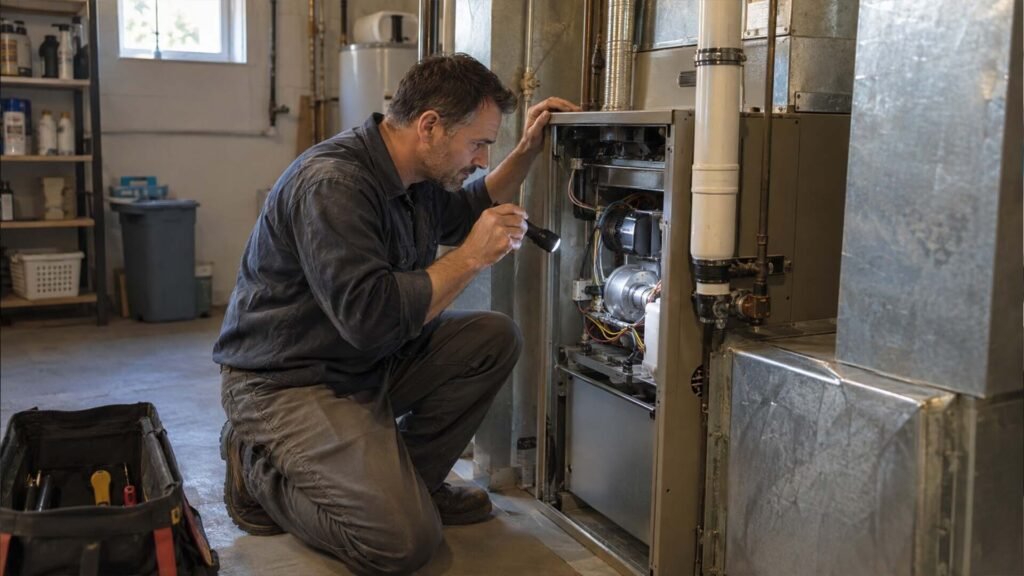
They smooth out the seasonal swing that makes this business exhausting, and they are the steadiest way to grow an HVAC company. They fill your slow months with scheduled work. And the customers on them call you first when the system finally fails, which is where the replacement revenue comes from.
Most companies sell a handful and forget about them. The ones that grow treat the plan as the goal of every service call, track how many active agreements they hold, and follow up when someone declines the first time.
If you want one number to watch, make it active maintenance agreements. It tells you more about next year than this month’s call volume does.
How to Increase HVAC Sales From the Customers You Already Have
Your existing customer list is the cheapest asset you own, and the one most companies ignore entirely.
Pull everyone whose system you have serviced that is now 12 years or older. Those are your replacement candidates. A seasonal message reminding them their unit is aging, with a financing option attached, books work that would otherwise go to whoever knocks first.
Do the same with anyone who declined a recommended repair or replacement in the last 18 months. Circumstances change. Nobody follows up, so the job goes elsewhere. This is how to increase HVAC sales without spending on a single click.
Fix Capacity Before You Fix Demand
Here is where owners get hurt.
Every guide on how to grow an HVAC business skips this. You cannot grow past what your techs can service. Adding leads to a booked schedule produces longer wait times, rushed jobs, unhappy customers, and reviews that undo your marketing.

Before increasing demand, work out your real capacity. How many jobs a day can you actually complete well? What happens in August when everything breaks at once? Can dispatch route efficiently, or are techs driving across the county twice a day?
If hiring is the constraint, that is your growth project, and it needs to start months before the season you are hiring for. Learning how to grow an HVAC company usually means learning how to hire and keep good techs.
HVAC Business Growth Strategies That Need Leads Come Last

Once revenue per job is up, agreements are growing, your existing list is worked, and you have capacity to serve more, extra demand turns into profit instead of chaos.
At that point, the marketing question becomes simple. Show up when people search, answer the phone every time, and respond fast enough to beat the company down the road.
That is when HVAC business growth strategies around search visibility and paid campaigns start paying properly, because the business behind them can absorb the work.
How to Grow an HVAC Business: Finding Your Own Constraint
Three quick checks.
Look at your average ticket. If it has been flat for two years, your growth problem is revenue per job, and no amount of new calls fixes that.
Look at your active maintenance agreements. If the number is small or you do not track it, that is your next project.
Look at your schedule in your busiest month. If you were turning work away, more leads would have been wasted money.
Most owners find their constraint is one of these before lead volume. That is the part of how to grow an HVAC business nobody sells you.